
Multi-chain Assets
The same asset name can appear on different networks. Check the network, token contract and confirmation state rather than relying on icons alone.
 Understand multi-chain networks →
A multi-chain wallet, blockchain network and Web3 knowledge hub from imtoken
Explore multi-chain assets, network selection, sending and receiving, DApp connections, signatures, approvals, network concepts and wallet security in one coherent path. The goal is to make the network, address and permission behind each action easier to verify before you proceed.
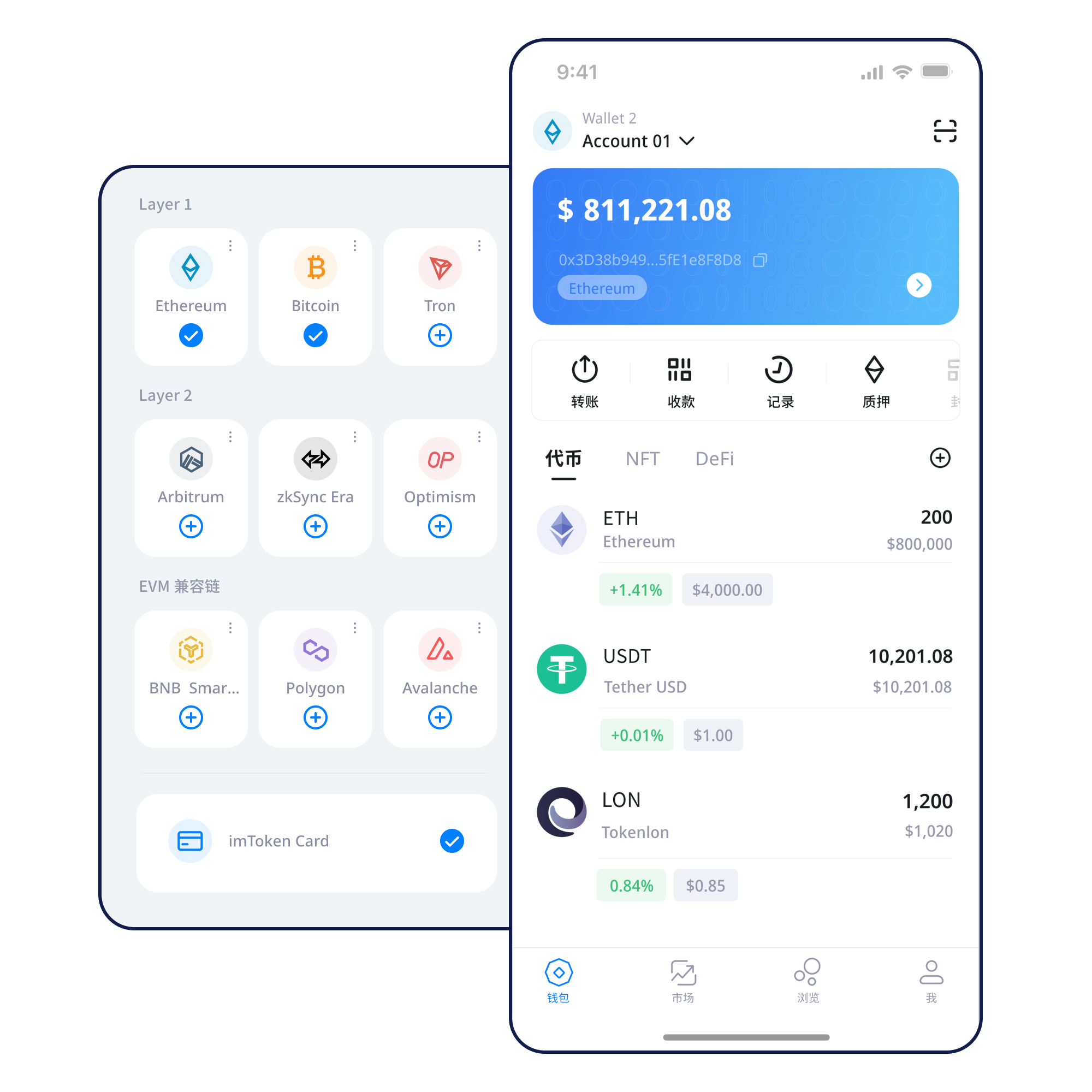
Choose an action and follow a guide that keeps the address, network, amount and permission scope visible at each step.
Understand wallet creation, recovery credentials and the preparation needed before first use.
View steps →Keep seed phrases offline and away from chats, screenshots and unknown cloud storage.
Backup guidance →Confirm the receiving address and its network before sharing it with a sender.
Receiving guide →Recheck the address, network, amount and current fee before submitting a transfer.
Pre-send checks →Verify the domain and treat connection, signatures and approvals as separate permission steps.
Connection guide →Different capabilities are not merely different buttons. Understand the network, asset and permission first, then decide what to do next.
The same asset name can appear on different networks. Check the network, token contract and confirmation state rather than relying on icons alone.
Understand multi-chain networks →Receiving address, network, amount, gas and transaction hash together describe a complete on-chain transfer.
View transfer flow →Review multi-network assets, transaction records and DApp requests on mobile while checking the network and address before confirmation.
Explore the app →Browser connections make domain, session and approval checks especially important. Disconnect sessions you no longer need.
Explore Web use →Users keep control of seed phrases and private keys. Offline backup, signature review and approval management are long-term habits.
 Open the Security Center →
Network differences affect addresses, fees, confirmations, contracts and asset routes. Choosing the right network comes first.
A wallet can display assets across networks, but each network has its own transaction state, fee rules and confirmation process. Confirm both sides use the same network or a supported bridge path.
Learn multi-chain basics →Transactions are propagated by nodes and included in blocks. Block explorers help you check status, block height and address activity.
Learn about public chains →
EVM networks often share familiar account and contract patterns, but they remain separate networks. Gas, token contracts and approvals must be understood in the correct network context.
Learn about EVM →
Layer 2 systems expand transaction processing through different designs. Cross-layer transfers can involve bridges, confirmation stages and withdrawal waiting periods.
Learn about Layer 2 →
Use six steps that leave each important detail available for a second check.
Use the site download entry rather than unknown installation links from unsolicited messages.
Know what seed phrases and private keys can control, and never disclose them to anyone.
Prefer offline storage and avoid screenshots, chats and unknown cloud services.
Check the sending network, receiving network and target asset instead of assuming similar addresses are interchangeable.
Review the fee and watch for clipboard address replacement before submitting.
Use the transaction hash to inspect the on-chain result and review permissions you no longer need.
A wallet connection creates an account interaction channel. Every later signature and approval should still be reviewed on its own. Domain, request target and permission scope matter more than confirming quickly.
Connecting a wallet does not mean every signature request should be accepted. Review every signature and approval individually.
Open the Web3 guide →Users are responsible for safeguarding seed phrases and private keys, and imtoken staff will never ask for a seed phrase, private key or verification code. On-chain transfers are generally not reversible by a wallet provider, while third-party DApps and smart contracts can introduce independent risks. Review the network, address, request target and permission scope before continuing.
Open the Security Center →Start with the difference between an address, seed phrase and private key. Then learn how networks and gas affect transfers, how a transaction hash helps you verify an on-chain result, and how DApp connections, signatures and token approvals represent different kinds of permission.
Start learning →Understand blocks, nodes and confirmation depth.
From accounts and gas to contract calls.
Mainnet relationships and cross-layer transfers.
Spenders, amounts and permission risk.
Credentials, devices and transaction checks.
Quick explanations for common concepts.
Staking content should explain validators, reward sources, exits, penalties and technical risks rather than promising fixed returns.
Ethereum PoS uses validators to participate in network consensus. Rewards depend on network duties and can change with protocol and network conditions. Exits and withdrawals can involve waiting periods.
Learn Ethereum staking →Content comes before dates; no fabricated publication dates, partnerships or market statistics are used.
Start with common decisions around wallet credentials, networks and DApp permissions.
No. Official staff will never ask for your seed phrase, private key or verification code.
Different networks maintain separate asset and transaction records, even when addresses look similar.
It can be used in a block explorer to inspect whether a transaction is pending, confirmed or failed.
Connection and approval are usually separate, but later requests can grant permissions and should be reviewed individually.
Yes. Consider revoking permissions you no longer need based on your actual use.
No. Rewards can change and there are exit delays, validator penalties, contract risks and price volatility.
Use caution with public computers and networks, especially where sensitive credentials could be exposed.
Use the shared download entry. Never provide a seed phrase, private key or verification code to a third party.